Understanding the Basics: What is Decentralized Betting and Why Does it Matter?
Decentralized betting, at its core, leverages blockchain technology and smart contracts to create a transparent, trustless, and censorship-resistant betting environment. Unlike traditional online bookmakers, which operate as centralized entities controlling all aspects of the betting process from odds setting to payout, decentralized platforms remove the need for such intermediaries. This means that instead of relying on a single company's integrity, bets are executed and settled automatically by pre-programmed smart contracts on a public blockchain, typically Ethereum. This fundamental shift eliminates issues like opaque odds, delayed payouts, and the potential for manipulation, offering a truly equitable and auditable system where the rules of engagement are openly verifiable by anyone.
The significance of decentralized betting extends far beyond simply offering an alternative to conventional platforms; it represents a paradigm shift in how we conceive of online gambling. Why does it matter? Firstly, it introduces unprecedented levels of transparency and fairness. Every transaction, every bet, and every payout is recorded on an immutable ledger, preventing any single entity from altering results or withholding funds. Secondly, it fosters true ownership and control for the user, as funds are held in personal crypto wallets rather than centralized accounts. Lastly, and perhaps most crucially, it promotes censorship resistance and accessibility, allowing individuals in regions with restrictive gambling laws to participate without fear of arbitrary account closures or geographical limitations, thereby democratizing access to betting markets globally.
Decentralized betting platforms are revolutionizing the gambling industry by offering transparency and fairness through blockchain technology. These platforms eliminate the need for intermediaries, allowing users to place bets directly against each other using smart contracts. This shift towards decentralized betting ensures that outcomes are verifiable and tamper-proof, providing a more trustworthy and secure experience for participants worldwide.
Getting Started: From Crypto Wallets to Your First Bet – Practical Steps & FAQs
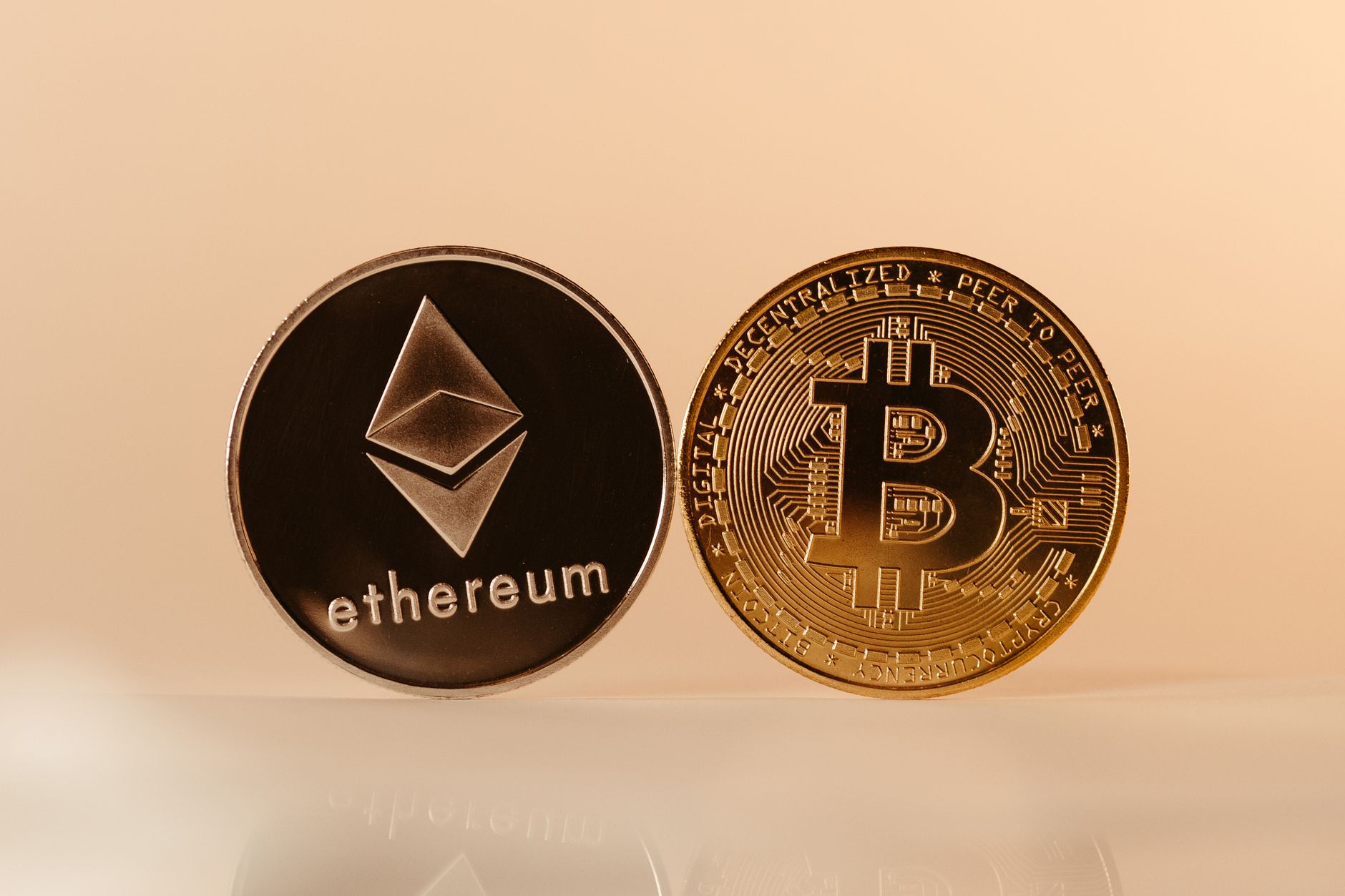
Embarking on the journey of crypto betting begins with a fundamental step: securing your digital assets. This involves choosing and setting up a reliable crypto wallet. There are various types, including hardware wallets for maximum security (e.g., Ledger, Trezor), software wallets for convenience (e.g., MetaMask, Trust Wallet), and exchange wallets (often less secure for long-term holding). Once your wallet is established, you'll need to acquire cryptocurrency. This can be done through reputable exchanges like Coinbase, Binance, or Kraken, where you can convert traditional fiat currency into your chosen digital asset. Understanding the different cryptocurrencies accepted by betting platforms is crucial; Bitcoin (BTC) and Ethereum (ETH) are widely accepted, but many sites also support altcoins like Litecoin (LTC) or Dogecoin (DOGE). Make sure to verify the specific cryptocurrencies your chosen betting site supports before making any purchases.
With your crypto wallet funded, the next stage involves navigating the betting platform itself. Most reputable crypto betting sites offer a user-friendly interface for seamless deposit and withdrawal processes. You'll typically find a 'Deposit' section where you can generate a unique wallet address to send your chosen cryptocurrency.
Always double-check the recipient address before confirming any transaction, as crypto transactions are irreversible.Once your deposit is confirmed on the blockchain (which can take a few minutes depending on network congestion), your betting account will be credited, and you're ready to place your first bet. For withdrawals, the process is reversed: you'll initiate a withdrawal request from the betting site to your personal crypto wallet. Be mindful of any minimum withdrawal limits or associated transaction fees. It's also wise to familiarize yourself with the platform's KYC (Know Your Customer) policies, as some may require identity verification for larger withdrawals.